
The Music Is Black: A British Story, has been 4 years in the making and as the summer arrives in the capital this much anticipated exhibition is finally open to the people. Welcome to V&A East.
“Music is the soundtrack to our lives, and one of the most powerful tools of
unification. In The Music is Black: A British Story, we celebrate the richness and
versality of Black and Black British music as instruments of protest, affirmation,
and creativity, and reveal the untold stories behind some of the world’s most
popular music of all time.” Jacqueline Springer, Curator of The Music Is Black: A
British Story, and Curator of Africa and Diaspora Performance at the V&A
Back in 2024 I was commissioned to edit the book that accompanied the British Library’s ground breaking ‘Beyond The Bassline: 500 Years Of British Black Music’ exhibition and, as a result, was involved in numerous enlightening discussions with its curators. Both Aleema Gray and Mykaell Riley have Jamaican roots and I was privileged to witness first hand how they negotiated the hierarchy of political and cultural power that drives a national institution like the British Library. Armed with these insights and experiences I headed off to the former Olympic Park in Stratford to join former Straight No Chaser scribe, Andy Thomas, for the press launch of The Music Is Black: A British Story.
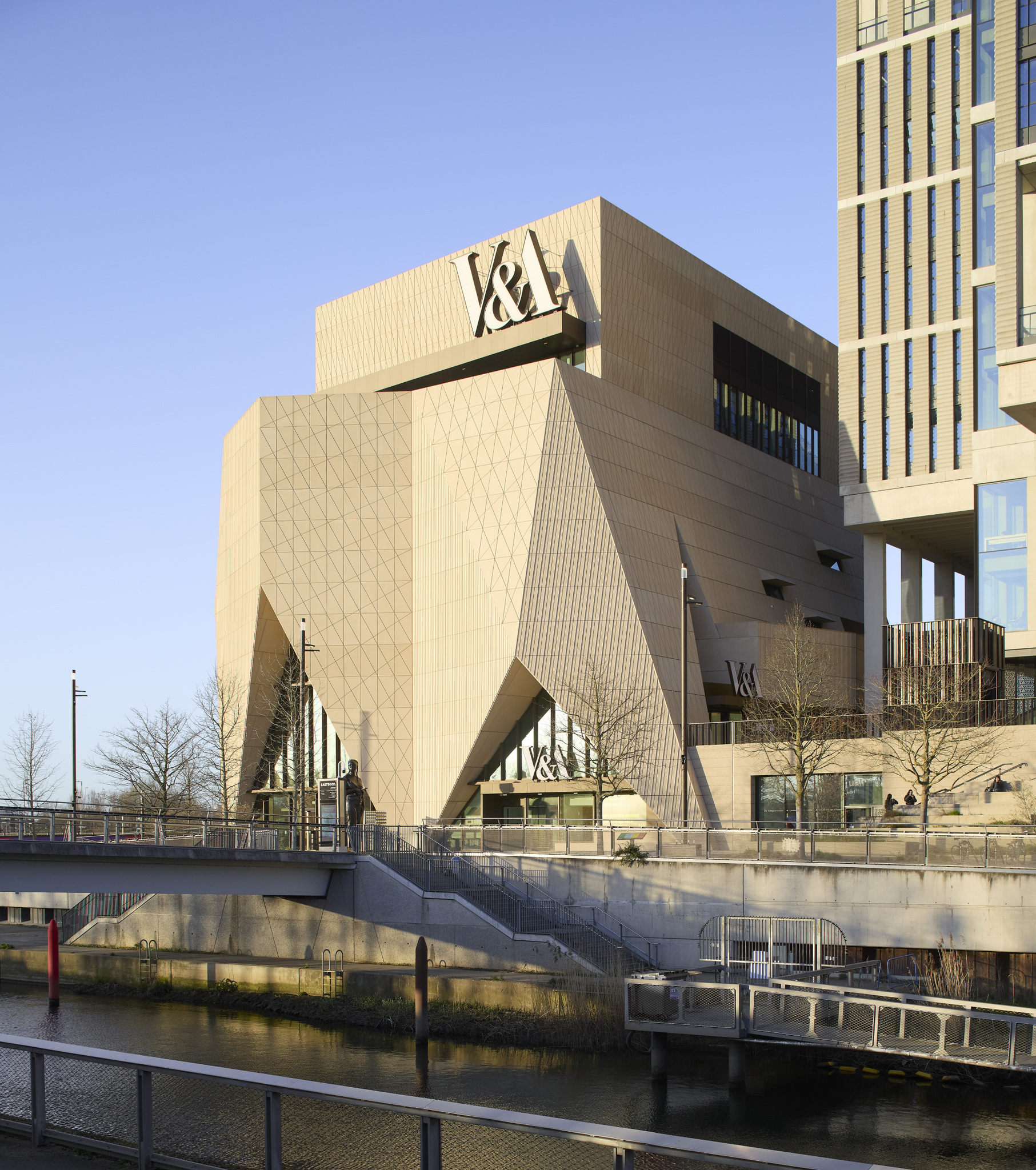
The Music Is Black is the V&A East’s opening salvo. It’s a landmark exhibition and I’d definitely say it’s big deal. It’s been four years in the making and is billed as a multi-sensory exhibition. It has definitely been taken to new heights by equipping the visitor with headphones and Sennheeiser technology which relays a specific choice of music that connects us to a particular visual or an artefact that we encounter as we travel through the spaces.
We arrived at the V&A East in time to catch a few words from the museum director, Gus Casely-Hayford, who has been enthusiastically cycling around the schools in the neighbourhood giving insight into the role that this institution can play in their lives. He reckoned to have addressed around eleven thousand school kids on his travels and one can only hope that these, mostly working class, young east Londoners gain special access to this show and other forthcoming events the V&A East have in the pipeline. The £10 fee for students/under 26 might still be a touch prohibitive.
Undoubtedly, there is pressure on V&A East to deliver, especially as shows at the V&A Kensington, like the David Bowie and the Alexander McQueen, successfully attracted a huge amount of traffic. Historically, the V&A was created to showcase “makers” and in the case of The Music Is Black we get over 200 objects drawn from the V&A’s collection plus a host of important loans. Each artefact delivers its own story. Think: Winifred Atwell’s battered “other” piano / Stormzy’s iconic 2019 Glastonbury stab-vest designed by Banksy / Carol Thompson’s fur coat from her debut LP / Joan Armatrading’s childhood guitar / Duke Vin’s 7″ record boxes / Jme’s Super Nintendo & Mario Paint game – think beats! On the fashion tip we get outfits worn by Little Simz (lovin’ that Comme des Garçons silhouettte), Seal, Pauline Black, Dame Shirley Bassey, Sade and Skin. We even get the one and only DJ Paulette’s sequined Knickerbox designed pants!
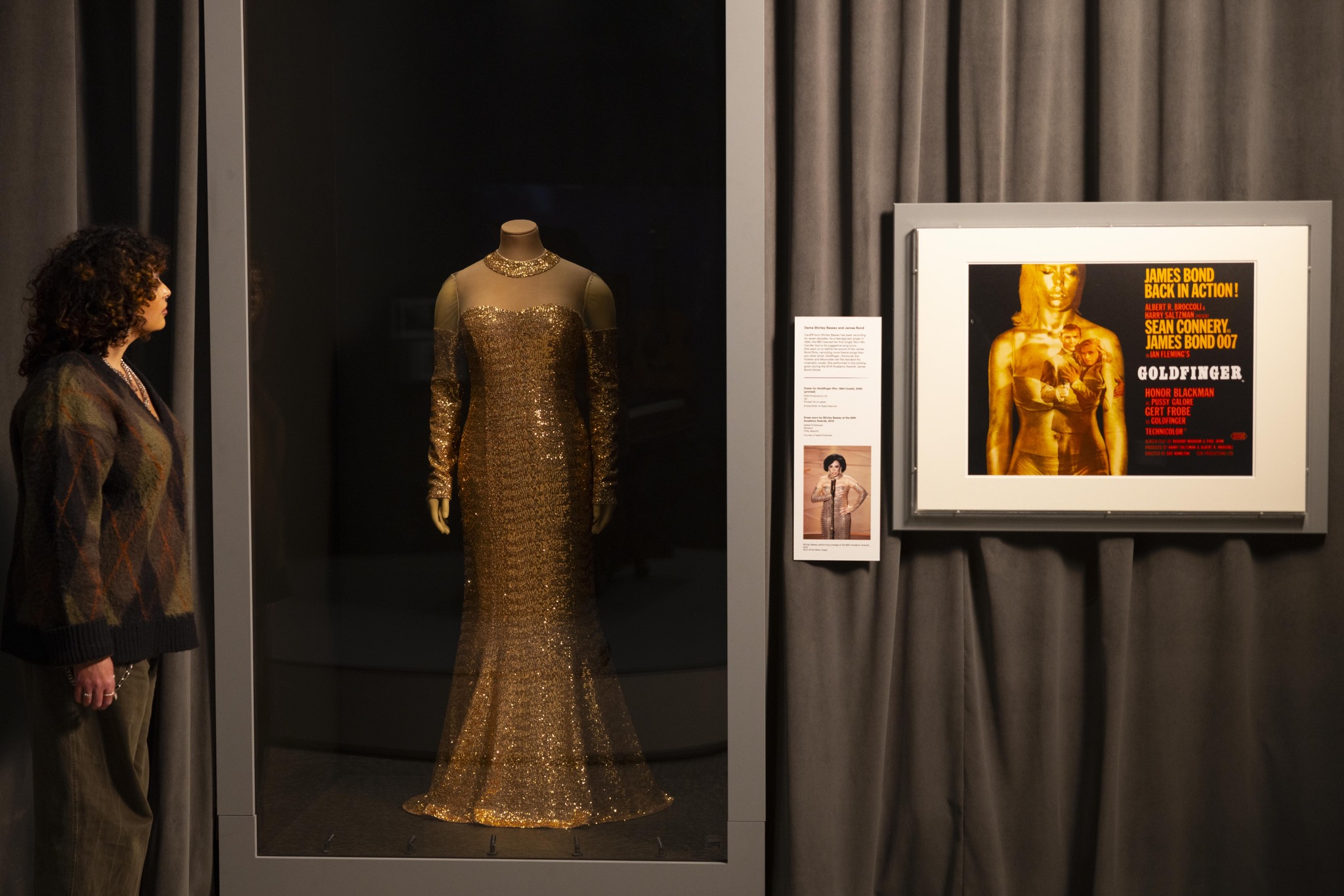
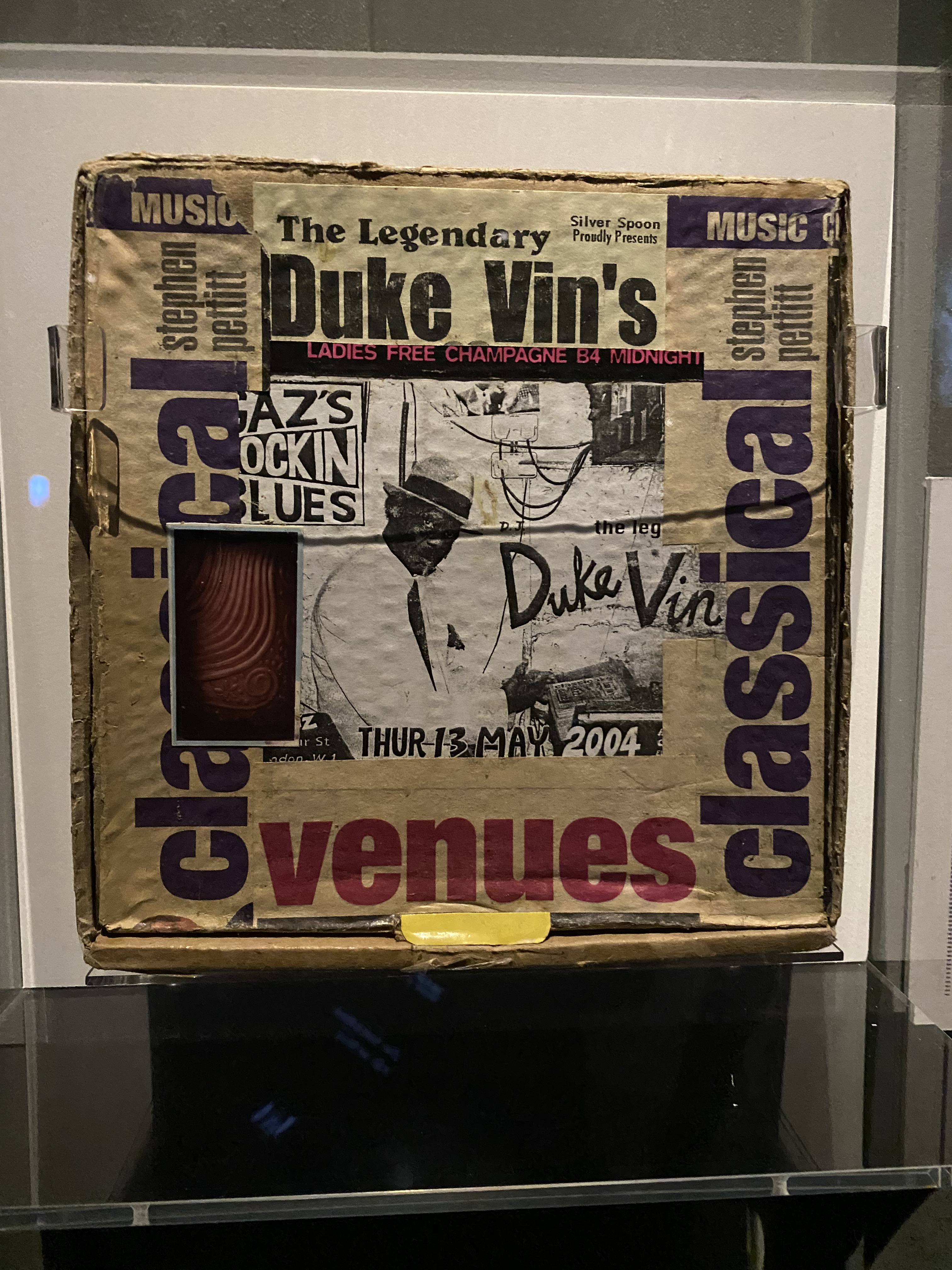
There are four spaces in the exhibition and if we want to get to the heart of the narrative – “the spine of popular music in the West” – we have to look to its curator, Jaqueline Springer. During a short talk delivered on the day, she referred to the initial space as Act 1, describing it as a vertebrae of understanding which confronts colonial and imperial conduct and underpins the subsequent rebellions against repression and enslavement, whether in the form of revolution or subversion.
We enter Act 1 through a dimly lit space that offers a deeper historical and political context. There are original copies of both a massive King James Bible and a specially redacted “Slaves Bible” which was first published in 1807 by British missionaries and planters in the Caribbean. The ethereal melisma of Allegri’s ‘Miserere mei, Deus’ played as we looked upon each of these Bibles. We have to marvel at the brazen editing whereby Moses’ exodus from Egypt – his freeing of the slaves from the tyranny of the Pharoah – was eradicated from the Slaves Bible.
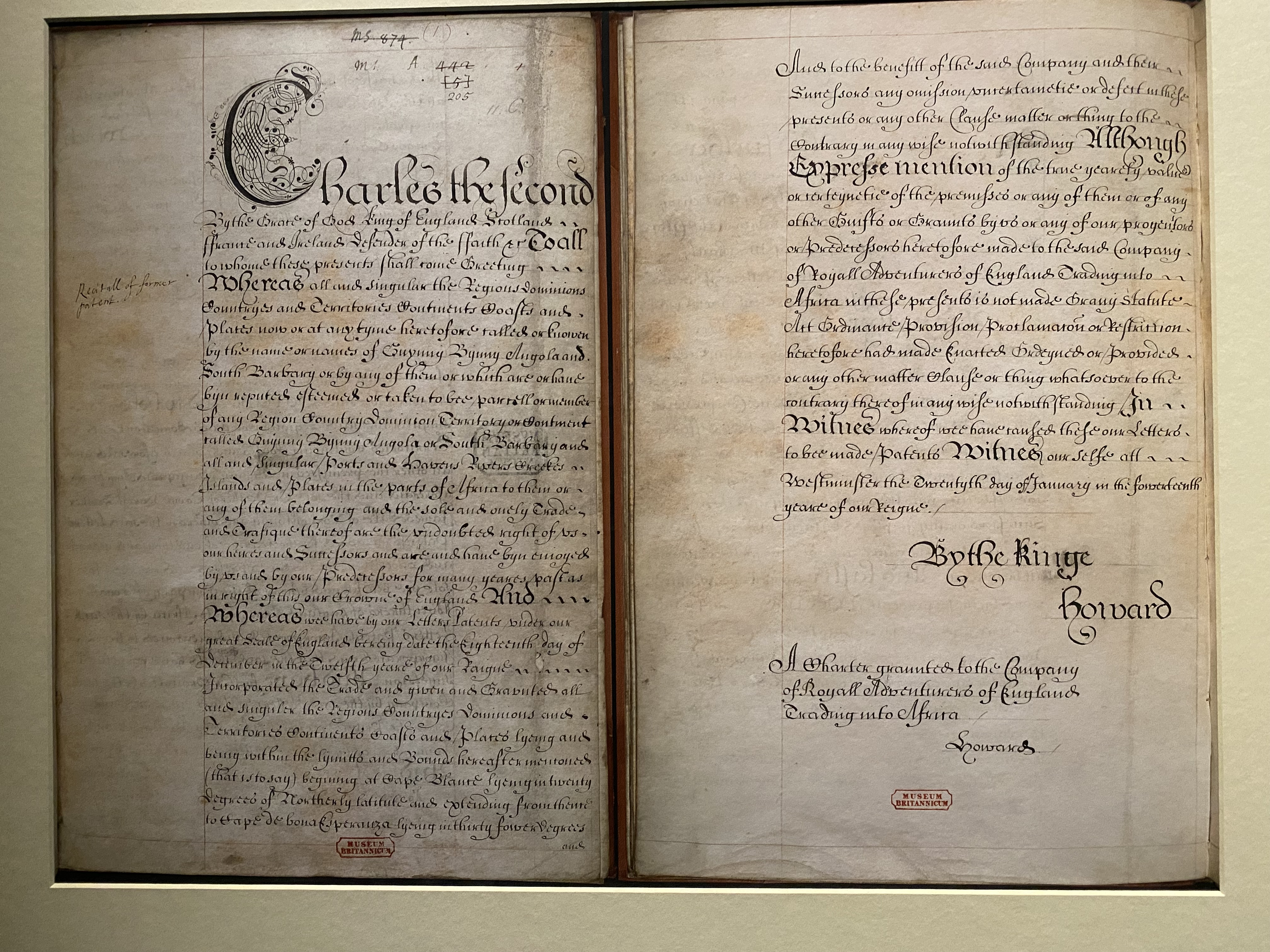
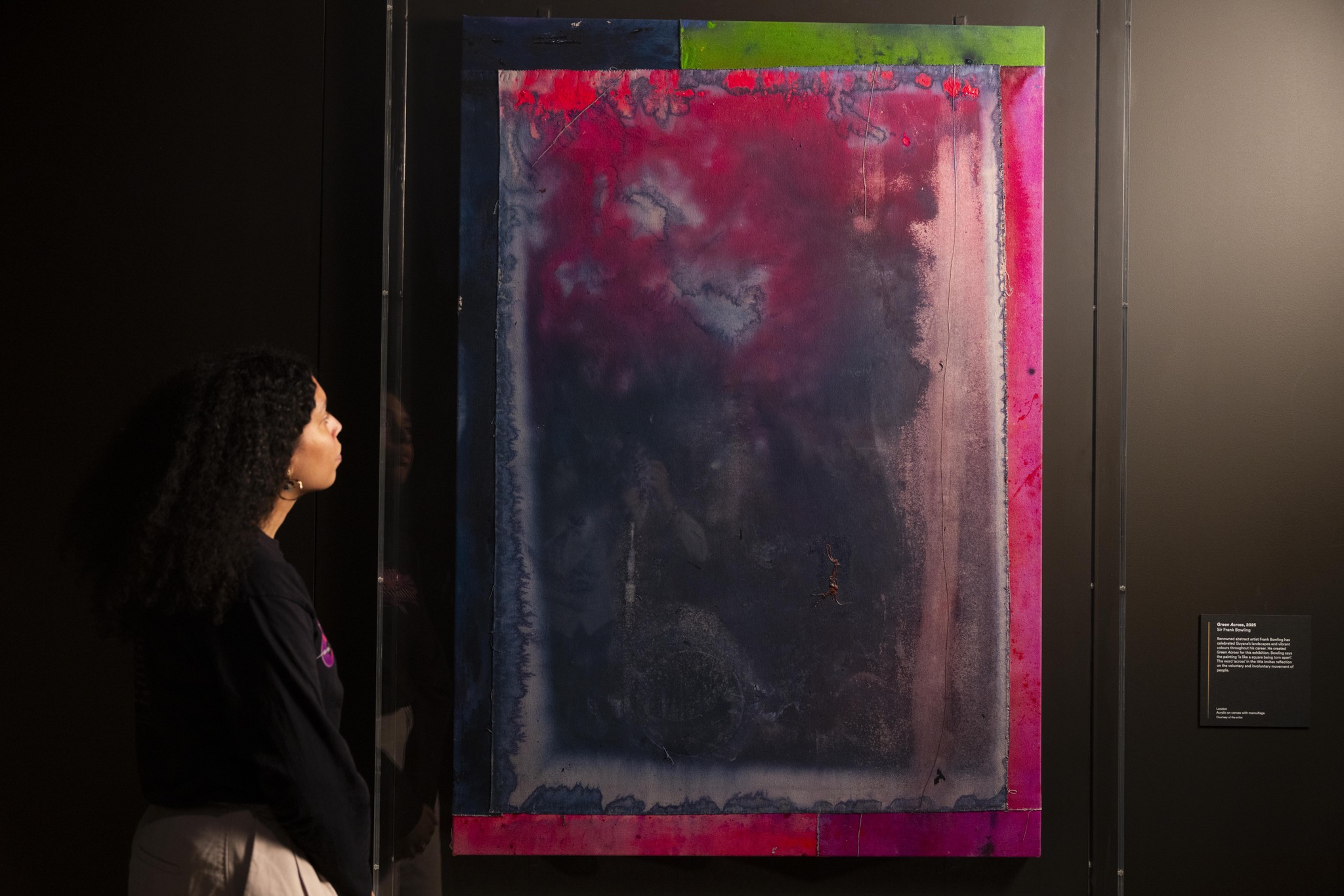
Especially for our current King – Charles III – there are signed documents that link King Charles II directly to the slave trade. All these items evocatively sit alongside a specially commissioned artwork by British Guiana born, London / NYC based painter Sir Frank Bowling.
In Act 1, a berimbau – a musical bow of Africa origin, currently associated with the Afro Brazilian martial art of Capoeira – is prominently displayed as a foundational, symbolic instrument representing the roots of Black diasporic music and its journey from Africa to the world. We loved that it physically connects two rooms in the exhibition.
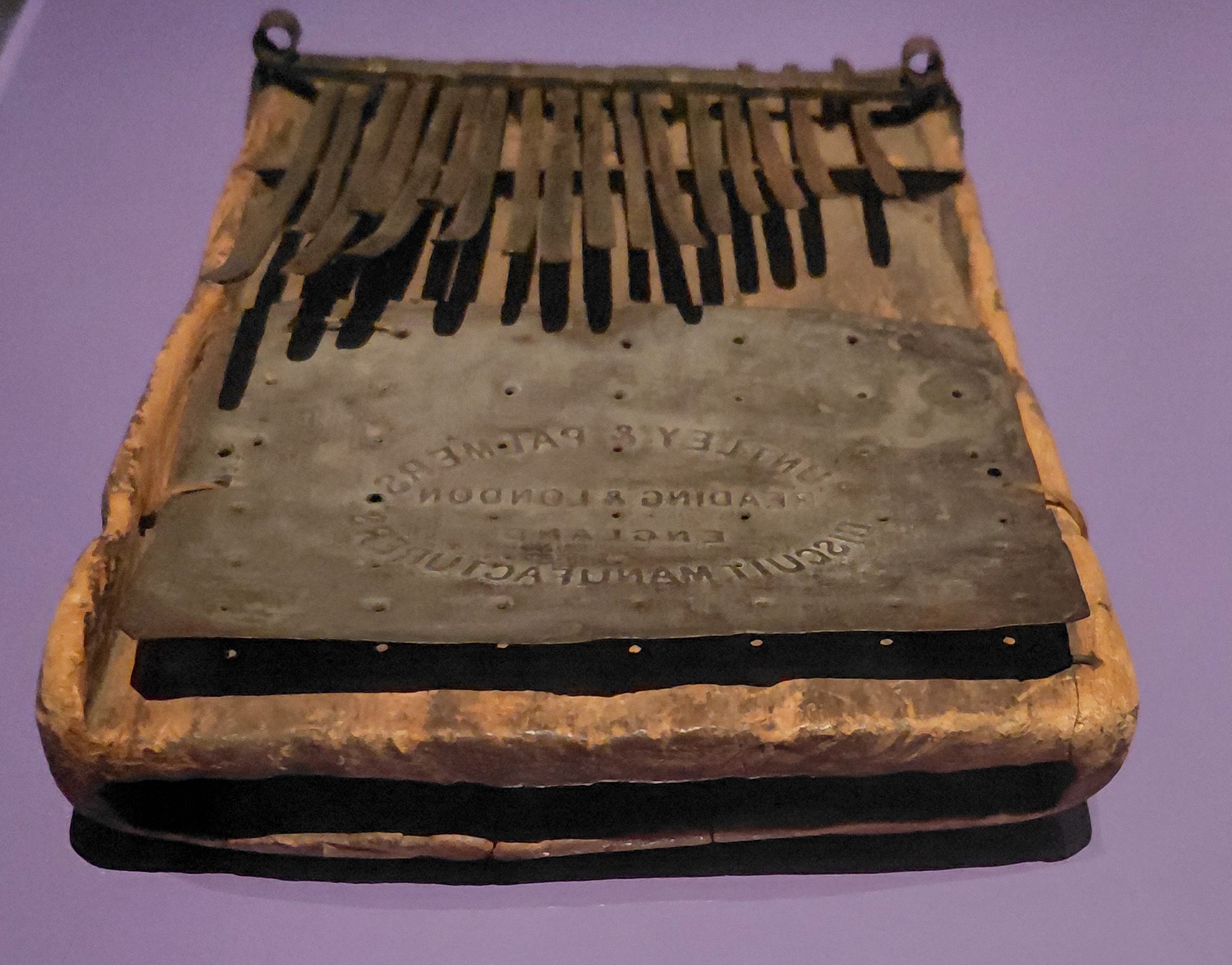
Also on display is an early‑20th‑century African “thumb piano” – sanza, mbira or kalimba – ingeniously made using a Huntley & Palmers biscuit tin as its sound box. Huntley & Palmers were the world’s largest biscuit company, exporting across Africa, the Americas, Asia and beyond. In this context, the thumb piano quite rightly becomes a powerful convergence of music, industry, empire, creativity and cultural survival.
While the Beyond The Bassline exhibition spanned 500 years and approached the Black presence in Britain via the sea, the oceans, the tides, the trade and the tribulation that ensued in the form of slavery, the focus of The Music Is Black is the last 125 years – from 1900 to the present day. Act 2 of the exhibition is split into two parts. The first part as “Modernity and how identity is politicised and speaks within the bodies of the those colonised” … through the music of jazz, calypso, hi-life, ska, rocksteady, reggae.
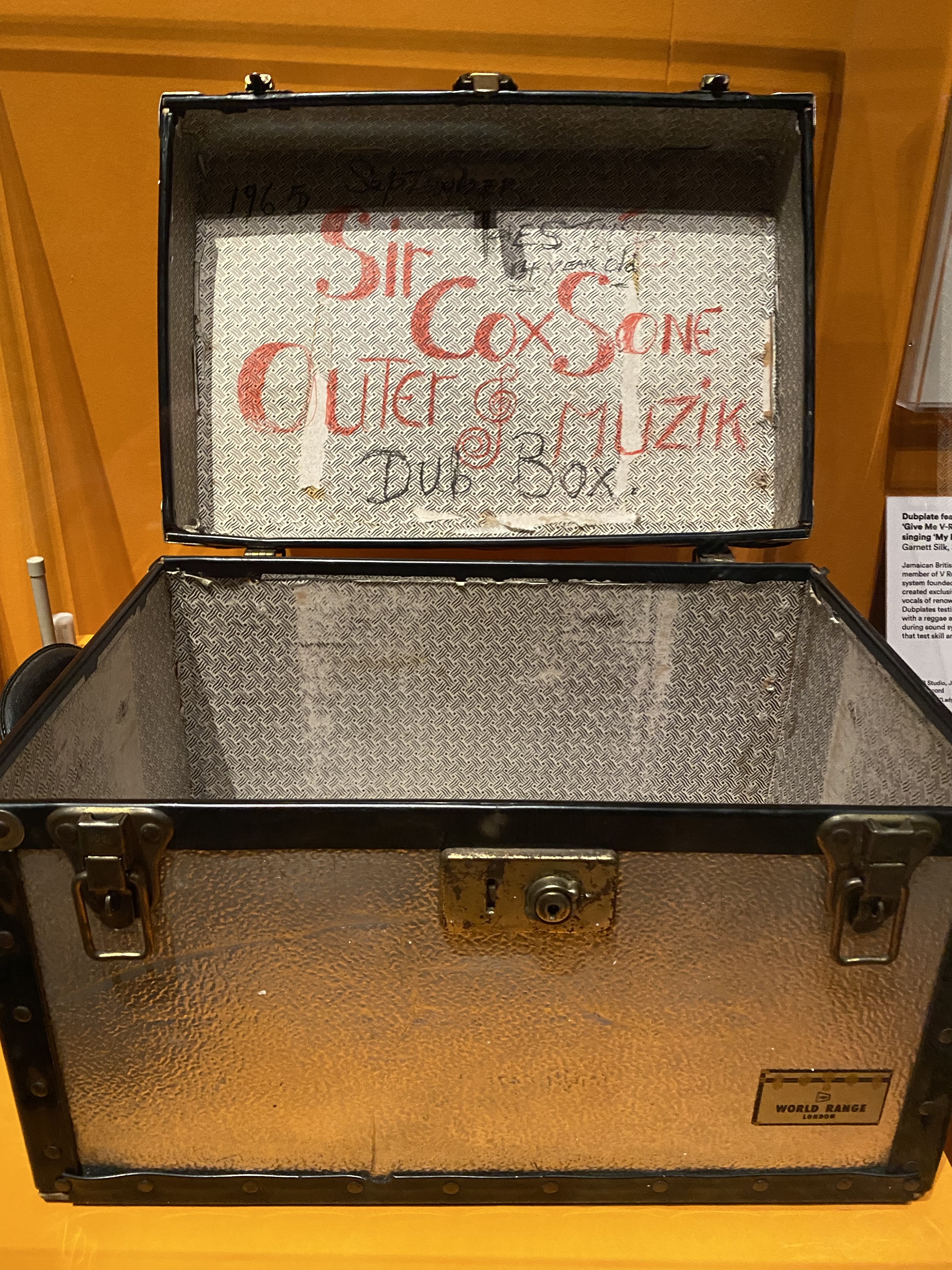
In Springer’s view jazz and reggae are forms of imported music. They are the source of what this exhibition defines as Black British music in 2026. For the older music heads this is where the exhibition burst into life. Personally, I think the exhibition underplays the organic evolution and impact of an array of pre and post WW2 musicians from West Africa and the Caribbean. It was the creative endeavours of groundbreaking musicians like Ambrose Campbell, Mulatu Astatke, Lord Kitchener, Shake Keane and Joe Harriott – to name but a few – combined with radical recordings of jazz and blues from America that shaped the unique qualities and sounds of 1960s street level music in the UK. If we are to describe the Black presence in British music as its vertebrae we must recognise the vital energy it transmits and how pivotal it remains in UK music’s global success. Would the Beatles achieved worldwide fame had they not met calypsonian Lord Woodbine or listened to the Isley Brothers? Would Mick Jagger and Keith Richards gone on to form the Rolling Stones had they not met on a train each carrying their latest Blues acquisitions? Would Jimi Hendrix have achieved global notoriety had he not opted to relocate to London?
Part two of Act 2 – room three in exhibition – is defined as the “Rebel yells / youth-quake”… and is jammed to capacity with images and artefacts. This room is pivotal to the exhibition. It’s the beating heart of the exhibition and showcases eight distinct Black British genres: lovers rock, Brit funk, 2 Tone, jungle, drum & bass, trip hop, UK garage and grime. There’s a lot to read in this third room. I takes time to dive in and join the dots, to visualise the connections between the flow of words from jungle to grime and the shifting sands of electronic beats and basslines that provide the sonic soundtracks woven into our inner cities.
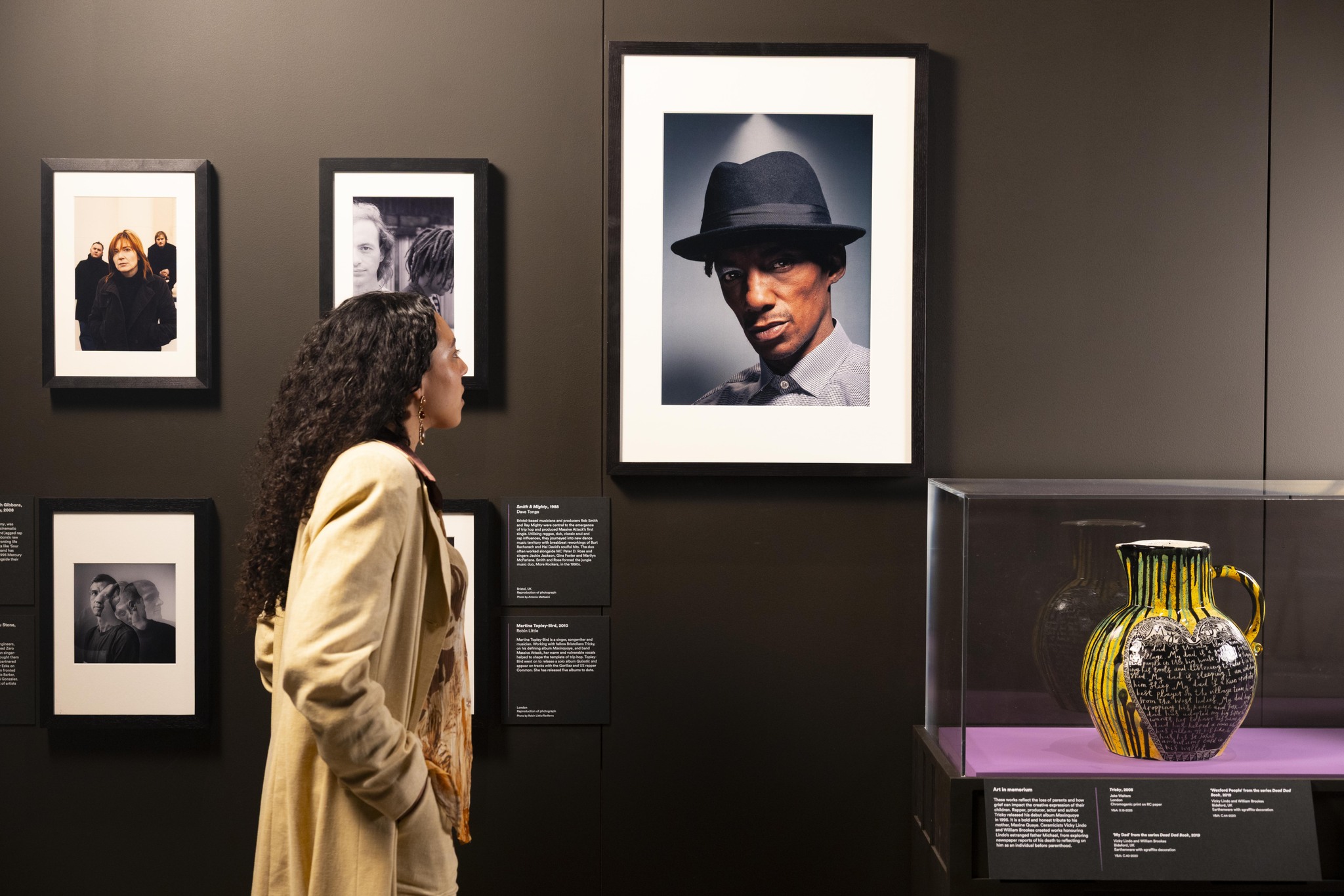
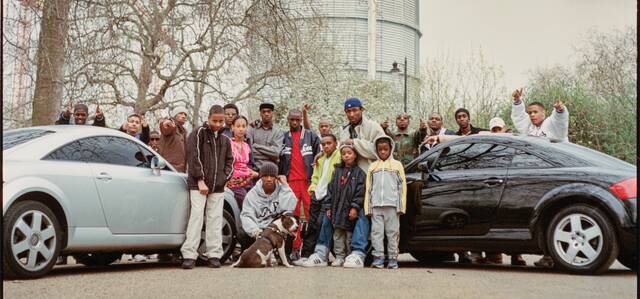
If you are a follower of reggae music and sound system you’ll be disappointed that those hard working operators who criss crossed nation week in and week out, through rain and snow, delivering words, sound and power in the form of the latest music and lyrical commentary are not given a cohesive nod of respect.
For those who are rooted in post rave club culture you will immediately feel there are obvious gaps in the mix like the Co-op / Broken Beat posse and the nu-generation jazz crews – Ezra Collective et al. Plus why no props for a Mercury winning Roni Size / Reprazent or innovators like 4 Hero? Did I miss that? Similarly, with pirate radio… while there’s some nice film footage of Lepke and DBC (Dread Broadcasting Company) it provoked another punter watching the footage to ask, “Why no KIssFM?”
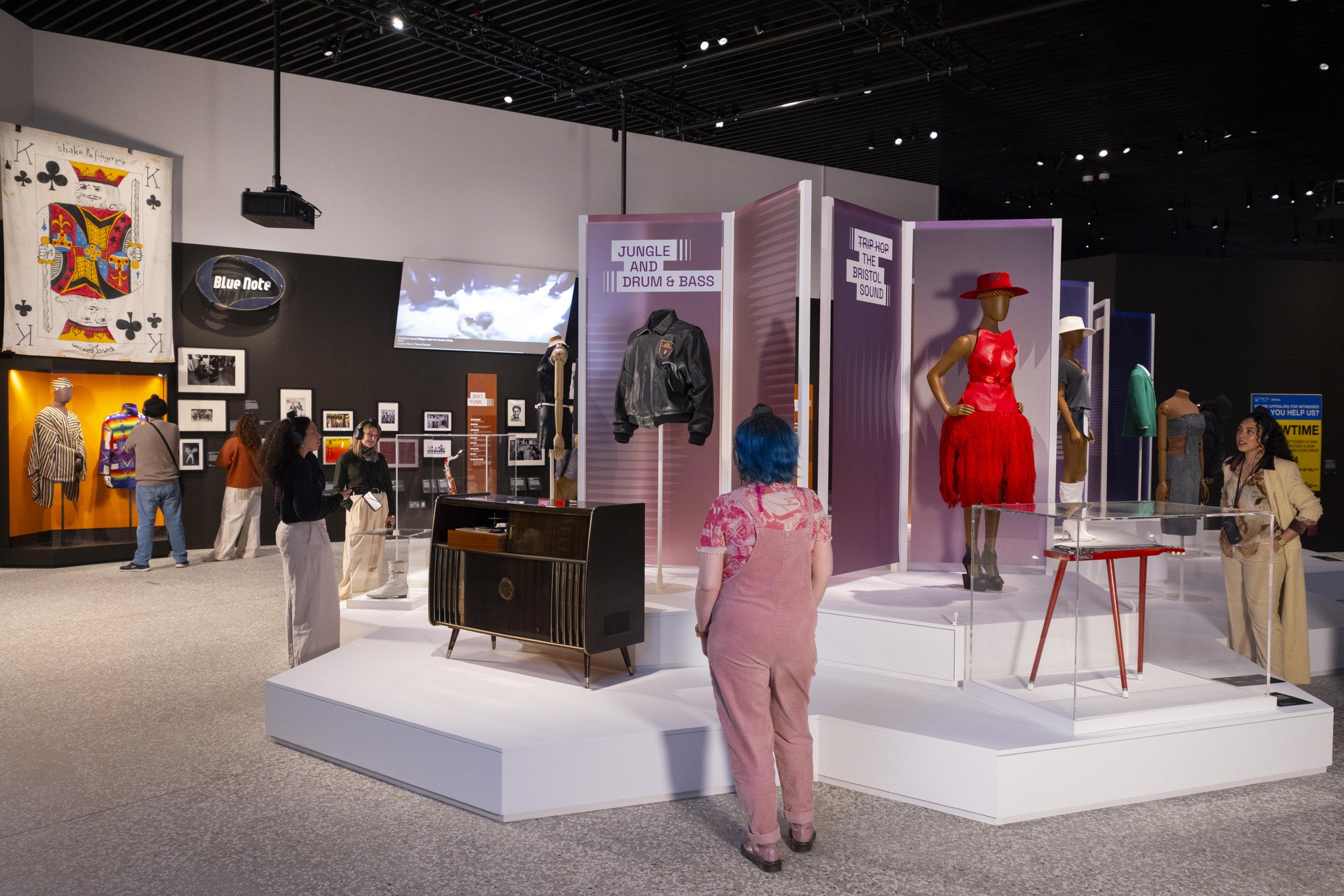
In her short address to the press the curator added that there are clearly more genres than the eight included but sadly decisions /edits had to be made on the basis of space! This leads us to the conclusion that this show inevitably skims the surface of all the genres included – that there was no space to go deep. Like Beyond The Bassline and other exhibitions that went before it, The Music Is Black is therefore a potential launch pad for more specific, genre led exhibitions in the future. However, as there is no permanent space that can house all the material that has been sourced through hundreds of hours of research there remains no tangible foundation to build on. Where is our Labour Minister for Culture in these these “anti-woke” times. Surely we need to do battle with the long term prospect of a shadowy, racist Reform led government? What the fuck. Why can’t Lisa Nandy find us the finance and the space that can become our “Smithsonian”. Something like the former Salts mill that houses the Hockney collection in Yorkshire? Sadly, the material that is collected together in this exhibition will be returned their owners or scattered to the wind. So, yeah, back to square one….
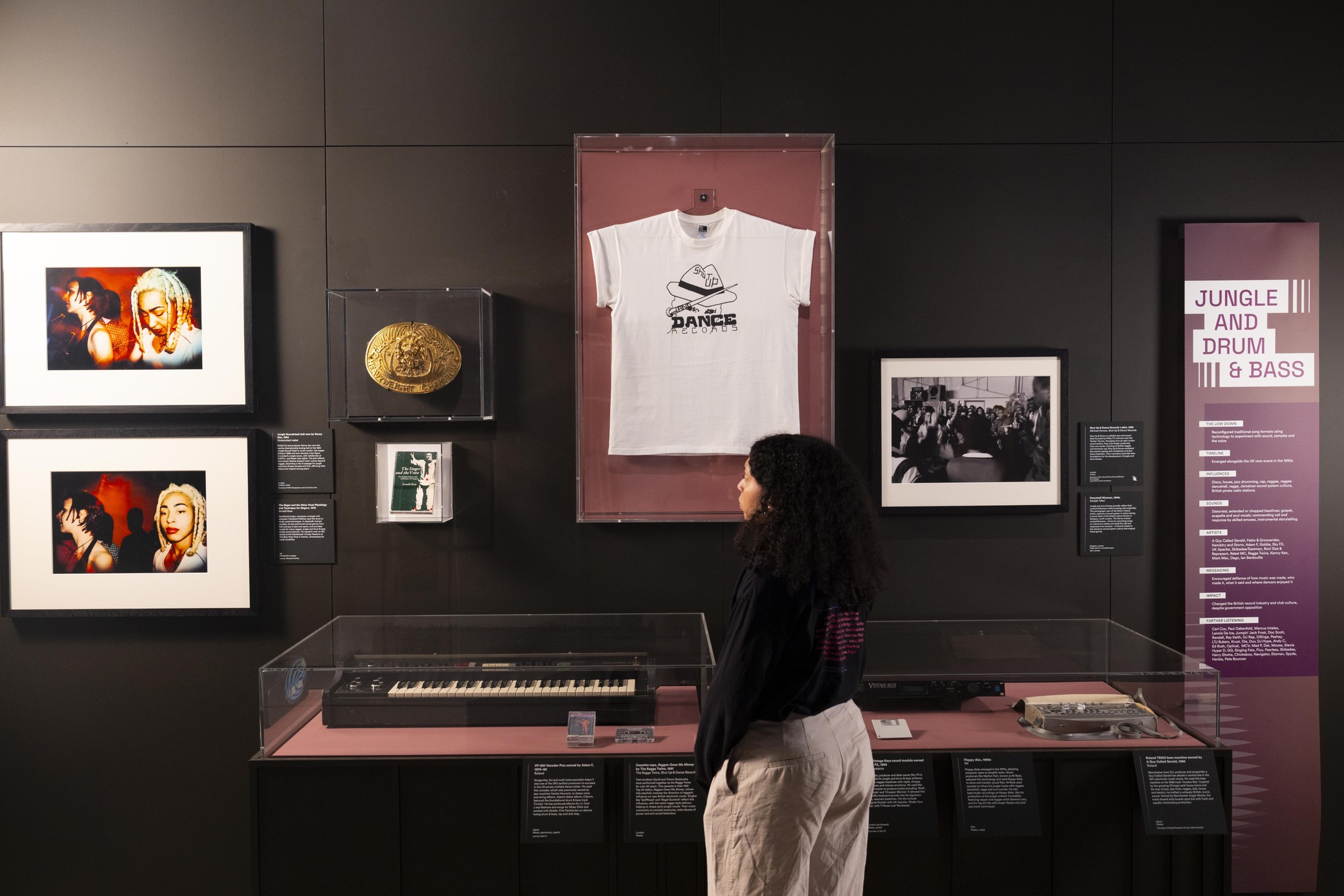
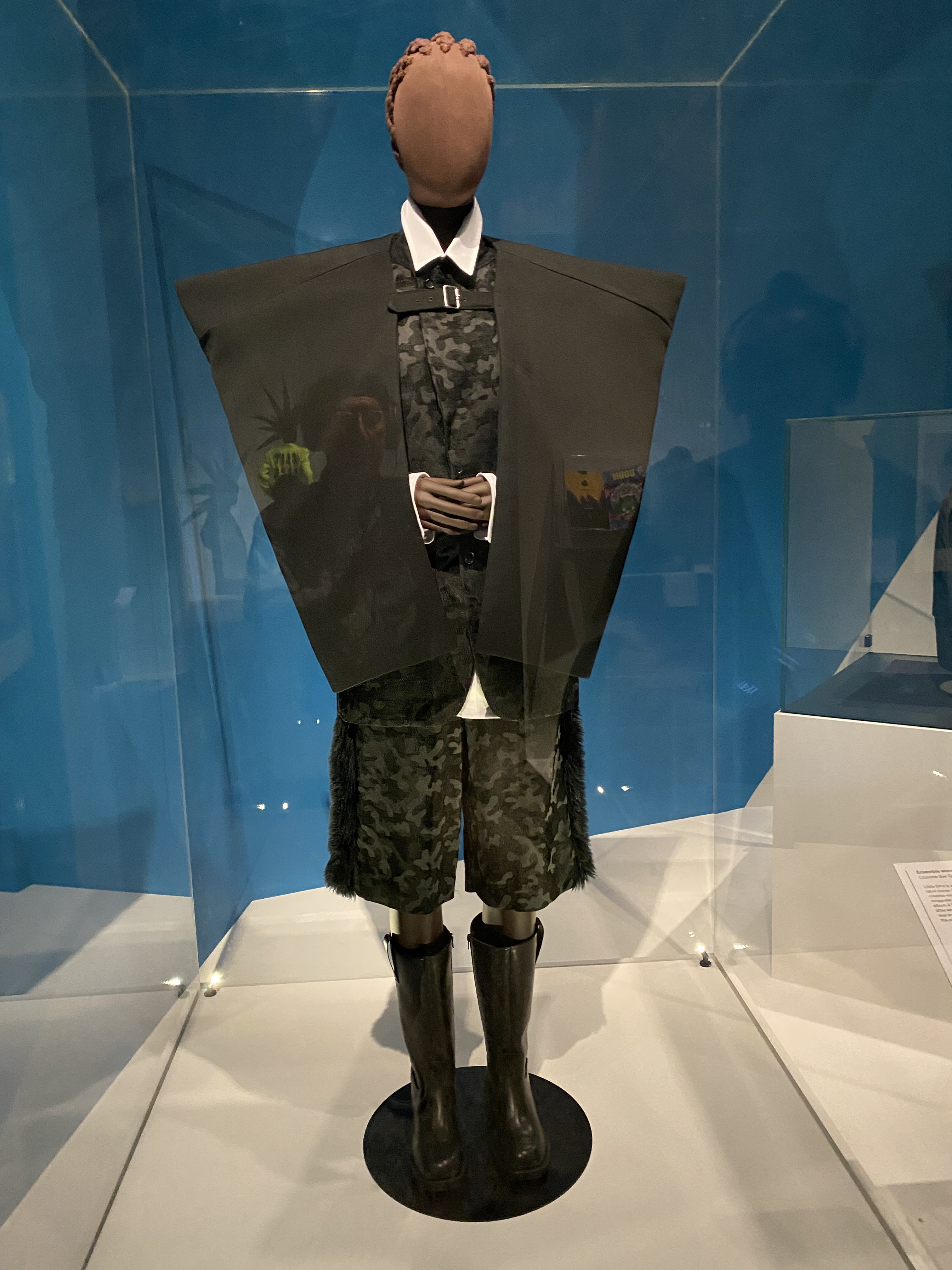
Throughout the exhibition we are invited to embrace a host of carefully placed physical and innovative artworks by Dame Sonia Boyce, Zak Ové, Sokari Douglas Camp CBE, Sir Frank Bowling, Denzil Forrester, and LR Vandy. It’s an essential touch that connects the black creative community across the cultural spectrum. Progressing to the final Act we get to focus on the style ‘n’ fashion aspects of the culture. This is more V&A-ish and despite an array of outfits from Little Simz, Stormzy, Seal, Pauline Black, Poly Styrene, Sade, Mel & Kim, Skin and DJ Paulette, we leave the exhibition not with bang but a feeling of “Is that it?”. It’s a feeling that’s confirmed by the large TV screen which seems to encompass all the peeps who couldn’t fit into the exhibition elsewhere. From there it’s exit through the gift shop to buy the catalogue.
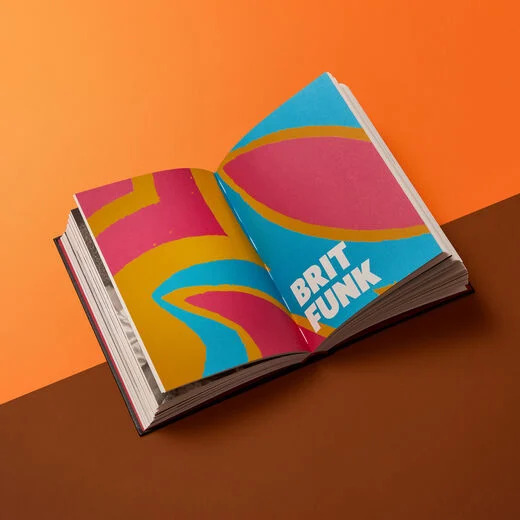
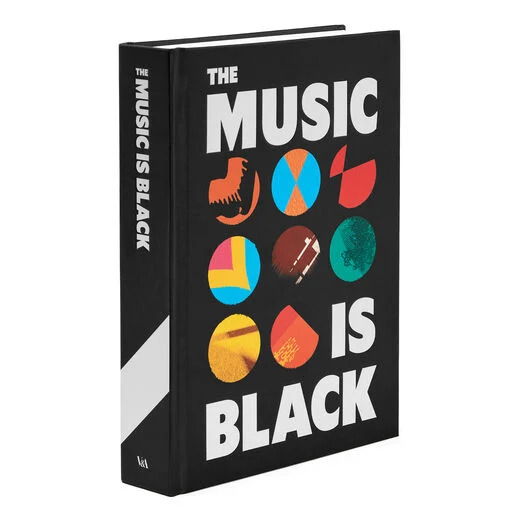
The 360 page hardback book offers essays by Denise Noble, Lisa Amanda Palmer, Kenny Monrose, Julia Toppin, Robert Strachan, James McNally, Jaqueline Springer and Monique Charles plus a host of solid in depth interviews with Janet Kay, Dennis Bovell, Carroll Thompson, Jerry Dammers, Neville Staple, Rhoda Dakar, Mike Vernon, ‘Bluey’ Maunick, Kenny Wellington, A Guy Called Gerald, Hewan Clarke, Ragga Twins, Fabio & Grooverider, DJ Storm, Smith & Mighty, Morcheeba, Spoony, Mega, DJ Target, Chad Stennett, Slimzee and Chantelle Fiddy. In my humble view I’d say that The Music Is Black catalogue is a 3 out 10 for design. That said, the essays and interviews are a valuable addition to the solid foundation that was laid down by the award winning Beyond The Bassline book (which sold out in hardback and is now available as a paperback!).
In conclusion, it’s all well and good to big up yourself but I wasn’t convinced that The Music Is Black lives up to its claim to be “The first major exhibition on this scale to explore how Black British music has shaped British culture and its global impact – sharing a long-overdue story of Black excellence, struggle, resilience, and joy.” That said, The Music Is Black succeeds in rightfully acknowledging the contribution of the LGBTQ+ community. Throughout the summer they will hosting a plethora of events to supplement the actual exhibition. Get on the mailing list. Go and visit. A luta continua.
PS: Happy that Straight No Chaser made it onto the wall of black music mags. Nice! Respect is due.
ALSO: Watch out for an alternative take on the evolution of Black music in the Capital via the soon to be relocated London Museum.