Yeah…apologies, been absent for a spell… just a case of real-life-runnings and the task of finishing the words for the forthcoming design tome – Swifty Funky TypoGraffix.
Spot the TOME!
Yes, we’re pretty much done… just the cover now! The rest has gone off to the printers. It’s been one hell of a journey – the last 12 month have just flown by – a journey and Swift has rinsed out his loft (and other people’s), diggin’ for those elusive originals. Though we started out thinking we might not need many words that’s not how it turned out! Swift’s work is rooted in the culture and, when it came down to it, that’s the context we felt we obligated to illuminate.
Mode2 – That’s How It Id – Bar Rumba
For those of you involved in the design world this book spans the transition from the analog, pre-internet, cut’n’paste era to 100% digital output. In the designer mix are interviews with Malcolm Garrett (Assorted iMaGes), Neville Brody, David Crow, Mode2, Futura, Stash, Tyler Askew, Ebon Heath, Mitch, Fred Deakin, Robi Walters, Kam Bhogal.
Meanwhile on the clubland/music front there’s myself, Neil Spencer, Kath Willgress, Gilles Peterson, Paul Martin, James Lavelle, Janine Neye, Joe Davis, the Okino brothers, Jonny Kiat, Robert Trunz et al. You can’t look at Swift’s work without witnessing the evolution of a rich, shape shifting underground culture.
The journey begins in the Eighties with Swift moving from post punk Manchester to The Face. After launching his Swifty Tyopgraffix studio behind Hoxton Square with Straight No Chaser we get to encounter Talkin Loud, Mo Wax, Far Out, Especial, Kyoto Jazz Massive and then journey west to Studio Babylon and That’s How It, MELT2000 is and Fosters Ice/Street Art. Anyone who peruses this book will gain access to the physical transition from MacSE to Imac to IBook; from floppys to Syquests to email; from Quark Express to InDesign. You also get to appreciate those old skool skills from screen printing to etching. Swift is deep into the craft and has serious hands-on skills. At 300+ pages – it’s phatter than Mo’Wax’s Urban Archaeology. Expect to be immersed in a huge body of work and become attuned to an intuitive dynamic that continues to fuel Swift’s restless and relentless innovation. This book needs to be in every art school / graphics dept. library and needs to be checked by all students of contemporary cultural studies.
Swifty funky Typo-Graffx
FOR THE BUMPER EDITION ACT NOW: https://swifty.co.uk/2016/01/22/swifty-monograph-pre-order/
Footnote:I’m sat in my yard live steaming the new Tribe Called Quest LP: ‘We Got It From Here… Thank You 4 Your Service’ and I’m feelin’ it. It’s right on the button. A blast of deep’n’fresh NYC creativity rising phoenix like above the rotten stench of that US presidential election. But anyway, more on that in the future when I’ve had time to soak up the lyricsm of post Phife Dawg Tribe.
From the Cabo Verde archipelago we travel to Haiti with Paris based Nigerian master drummer Tony Allen for another Afro Futurist meltdown before heading off to Cuba…
The Afro-Haitian Experimental Orchestra‘s album is a meeting of minds and deep rhythmic connections. Seven-and-a-half thousand kilometres of cold ocean separate West Africa from Haiti. But music can cover that distance in a heartbeat, crossing the Atlantic to reunite the rhythms and religion of people torn from their homes to be sold into slavery.
The concept for this project started with Corinne Micaelli, the director of the French Institute in Haiti. She wanted to bring drummer Tony Allen – the riddimic power behind Fela’s Afrobeat experiments- to the island to do a performance with Haitian musicians at a major public concert. Tony agreed, and Erol Josué, a singer, dancer, Vodoun priest, and director of the Haitian National Bureau of Ethnology, helped to recruit local percussionists and singers.
Musicians were drawn from a cross-section of the country’s foremost bands – Racine Mapou de Azor, RAM, Yizra’El Band and Lakou Mizik. They had just five days to compose and rehearse a set of music they’d play in the main square of Haiti’s capital, Port-au-Prince, and broadcast live throughout the country.
According to guitarist Mark Mulholland recalls, “Putting it together was complete chaos. Madness. We were all in this tiny room, playing. We had 10 percussionists from all of Haiti’s top bands. Then there was Tony, Olaf Hund on keyboards, and Jean-Philippe Dary, an old friend of Tony’s on bass. He became the de facto musical director. The sound was overwhelming. Honestly, I don’t think any of us knew what to expect when we began.”
The plan was to record the event but on the night technical problems kicked in and it didn’t happen. It seemed that the music which had emerged from those long, hot sessions would be no more than a fleeting memory.
However, Mulholland couldn’t accept that. He decided to go through the multi-track recordings from the inspirational and adrenaline fuelled rehearsals to see see what he could find. Subtle polyrhythms bridged centuries and cultures. Relentless grooves emerged as the foundation for soaring, modern melodies like the swirling, electronica-fuelled ‘Salilento’ or the Afro Vocoder ritual sound of ‘Yanvalou’. Mulholland was convinced they had achieved something important that deserved to be remembered and before leaving Haiti for his home in Bamako they re-recorded all the vocals with Erol Josué, Sanba Zao, and the other singers.”
It was in Bamako that Mulholland Glitterbeat’s Chris Eckman and told him about the Haitian experience and Tony Allen’s involvement. He was hooked. They mixed a couple of tracks and it rolled on from there. The results are on this Afro-Haitian Experimental Orchestra album and Mulholland proudly declares, “It’s anarchic and energetic. And I really believe it’s good, it’s honest, it’s new. It’s different. It was an experiment that worked.”
Once you’ve checked out the unfettered sounds of the Afro-Haitian Experimental Orchestra may want to get a taste of more traditional but modern Haitian sounds and for that you need to look no further than Lakou Mizik’s ‘Wa Di Yo’ on Cumbancha. Lakou Mizik is a multigenerational collective of Haitian musicians formed in the aftermath of the devastating 2010 earthquake. The group includes elder legends and rising young talents, united in a mission to honour the healing spirit of their collective culture and communicate a message of pride, strength and hope to their countrymen and to the world. This ensemble have produced a warm rootical 12 song set propelled along by uplifting vocals that take you deep into the heart of the community. Expect to be transported to yard on a balmy star lit Caribbean night and be lifted gently by layers of percussion, a racy snare, fluid bass lines, a sensual accordion and guitar and volleys of life affirming blasts from those Haitian Rara cornets.
Ricahard Bona
Staying in the Caribbean, Richard Bona’s Madekan Cubano Sextet deliver an album which taps into the ‘Heritage’ in fine style. This is the first Afro-Cuban recording from the Brooklyn based Cameroonian bassist and it’s a gem. Bona’s sweet vocals do remind me of Lokua Kanza and that’s one mega recommend on my part. Over the precise percussion of Luisito and Robero Quintero and we get crisp muted trumpet from Dennis Hernandez and muscular trombone from Rey Alejandre. Pianist Osmany Paredes dazzles throughout. From delicate ballads to tracks guaranteed the set a dancefloor alight multi-instrumantalist Bona shines brightly. Shame I missed them when they recently played Ronnie Scott’s.
Just as President Obama has relaxed relations between Cuba and the US we seem to be experiencing a steady flow of musical collaborations. Since arriving on the NYC scene in 1998 the 25 year old percussionist/corista Pedrito Martinez has established a powerful rep. On this ‘homecoming’ album – ‘Habana Dreams’ – he pulls together 3 sets of collaborators. There’s the Pedrito Martinez Group, then there’s the honoured guests – Wynton Marsalis, Ruben Blades, Isaac Delgado, Angelique Kidjo, and finally, Pedrito’s Cuban family. As Ned Sublette puts it in his excellent sleeve notes this album is Pedrito’s return to “the dense urban world – of santeros, paleros, ecobios, rumberos, professional musicians, and strivers of all kinds, to say nothing of ancestral spirits – that is the Cayo Hueso neighbourhood, part of the teeming, treeless sprawl of Centro Habana.” This CD is musically diverse but well grounded. It’s a test of Martinez’s songwriting skills and amazingly his quartet have mastered how to play timba – a tough, modern, cutting edge dance style normally restricted to big bands. Well worth a listen.
Pedrito Martinez
Finally, on a more “straight ahead” jazz tip we touch down on the masterclass offered up by saxophonist David Murray, pianist Geri Allen and drummer Terri Lynne Carrington. ‘Perfection’ is a moving homage to their friends and mentors like Ornette Coleman (‘Perfection’), Wayne Shorter (‘Samsara’), Marcus Belgrave (‘The Nurturer’), Charlie Haden (Barbara Allen)and Mary Lou Williams (For Fr. Peter O’Brian). As to be expected this a trio at the top of their game – inspired, uplifting and powerful.
A BIRTHDAY NIGHT OUT @ SOAS WITH THE CAINE PRIZE FOR AFRICAN WRITING NOMINEES…
What a splendid way to spend your birthday – taking in a few readings and a discussion with five nominees from this year’s Caine Prize for African Writing. As I passed through the subterranean corridors of London University’s School of African, Asian and Middle Eastern Studies in search Khalili lecture theatre the sound of drums transported me back the Adriano Adewale’s pandeiro class at a previous SOAS summer school. It felt good. Outside the theatre I was able to purchase a copy of the book we had come to discuss – The Daily Assortment Of Astonishing Things – and sip on a couple of glasses of red wine while awaiting the arrival of the writers and panel host Dr Gus Casely-Hayford. This was the first of a series of London based events aimed at connecting the writers with potential readers and there was a warm sense of anticipation in the room. Hearing people talk about the context and the process of how they work and experiences of writing is always illuminating.
Now in its 17th year, the Caine Prize for African Writing aims to bring African writing to a wider audience. It doesn’t get the props that the Booker or Whitbread get but the Caine Prize gives a much welcome helping hand to both known and emerging writers from Africa. Along with the book of short stories which they publish annually the Caine Prize deliver a series of events that successfully bring together readers and those writers who have made the shortlist for the prize of £10,000 plus a few other perks. The prize has alerted the publishing mainstream to talents like Zimbabwe’s NoViolet Bulawayo (‘We Need New names’ was terrific!) and given readers like myself an enticing trail to follow.
The annual Caine Prize writers’ workshop moves from African nation to African nation and this year’s workshop took place on an exclusive game reserve in Zambia. It sounded amazing and in discussion we learn the workshop is the primary source of the stories in the anthology. The six short-listed writers on the panel at SOAS all read a modest passage from their own story and talked about their respective aims and the impact of their own environments, whether in Africa or the US. In the mix was Abdul Adan from Somalia/Kenya who wrote the offbeat ‘The Lifebloom Gift’; Lesley Nneka Arimah, a Nigerian writer living in Minneapolis who penned futuristic ‘What it Means When a Man Falls From the Sky’; DC based Nigerian and 2014 Caine Prize winner Tope Folarin (Nigeria) who offered ‘Genesis’ – a tale based in Utah!; Zimbabwe’s Bongani Kona who is a journalist and editorial contributor to Chimurenga who dropped the deep ‘At your Requiem’ and finally, South African writer, filmmaker and photographer, Lidudumalingani, who conjured up ‘Memories We Lost’.
I’m still working my way through the array of short stories in The Daily Assortment Of Astonishing Things but the diverse reflections of those writers on the panel, whether still living on the continent or approaching life from a diasporic perspective, continue to resonate. Reading their stories informs and enhances the reader’s own world. They diffuse myths and stereotypes and offer insights and a touch of magic. Seek out the Caine prize anthologies and the works of previous winners – many of whom, prior to discovering these anthologies, I’d sadly never heard of!
The Daily Assortment Of Astonishing Things Caine Prize Anthology is published by New Internationalist in the UK and publishers in eight African countries including, Jacana Media (South Africa), Cassava Republic (Nigeria), Kwani? (Kenya), Sub-Saharan Publishers (Ghana), FEMRITE (Uganda), Gadsen Publishers (Zambia), ‘amaBooks (Zimbabwe) and Langaa (Cameroon).
STORM WARNING: Kate Tempest’s ‘The Bricks That Built The Houses’ is out now via Bloomsbury/Circus
When I came across a review copy of Kate Tempest’s debut novel in my local second hand bookshop I was both happy and nervous. I’ve long sung the praises of this South London poet having been mesmerised by the riveting delivery of her one woman play ‘Brand New Ancients’. Her self published book of poetry/CD – Everything Speaks In It’s Own Way – is little gem and the ‘Mouse In The Lion’s Hair’ is a poem that I love to bits. I am less of a fan of the Mercury nominated LP, ‘Everybody Down’, which she dropped via Ninja Tunes, but that’s just my finely tuned – sometimes wrong – musical sensibilities kicking in. ‘Everybody Down’ definitely has it’s moments and, in reality, I should be giving thanks that the LP and the live gigs have carried her words to audiences who would never have handed over a few quid to check a poetry reading.
‘The Brick That Built The Houses’ is modern day tale and reading it while the increasingly rancid BREXIT campaign gathered momentum, fuelled by lies and divisive racist rhetoric and imagery (I shall not forget that Enoch Powell inspired UKIP Poster!) threw me back on my own roots. Ironically, the referendum which now instructs the Tory Government to get us out of Europe hinged on the votes of the people in those forgotten, marginalised former industrial working class heartlands of Britain. It was a cry of FUCK YOU! to the powers that be – whoever you are – and that’s where Kate’s book takes us. South London is not Barnsley but in this divided land we do not have to go far to find poverty and a spirit diminishing sense of daily disillusionment where drinkin’, smokin’, snortin’ and poppin’ whatever is just how it stays.’The Brick That Built The Houses’ drops us into a fraught but tender and revealing encounter between two families somewhere around SE13… Lewisham-Deptford runnings… and it’s focussed on the lives and dreams of two women in their early twenties, who sail below the radar, operating in dangerous subterranean worlds that respectively deal with sex and drugs.
Kate Tempest Photography by David Levene
A dancer and a dealer, despite being careful, clever and discreet, get ensnared by a twist of fate and are tugged reluctantly into a potentially deadly spiral of events. As a regular thriller reader (Moseley, Pelecanos, Hiassen et al) I was curious as to how Kate’s poetic flow would transfer into a 400 page novel. Initially, I wasn’t sure. I stopped reading in fits and starts on buses and tubes and opted to notch up a bunch of pages in one sitting. It paid off. I was drawn into the story which grows as you empathise with its characters, with their frustrations, fears and intuitive search for something better than the mundane daily existence of those around them. As I read I could feel her flow, her unique sense of rhythm which springs from her choice of words. Kate Tempest gives voice to those who have no voice in the ofter brutal inner cities of this nation and for that we are all better off. Support your local visionary.
Yesssss!….Presenting Princess Shaw wins Audience Award at Sheffield Documentary Film Festival!
One of the first posts I did on Ancient To Future was a Kutiman video/composition that blew up on youtube. I’m a fan and a week ago I got a mail from Boaz Murad – Kutiman’s manager – hitting me up re. his new LP and a documentary film called PRESENTING PRINCESS SHAW.
Princess Shaw + Kutiman
I downloaded the LP and then watched the movie online. I had no idea what to expect and I was blown away. The documentary has been made by Ido Haar and as I locked into this modern day musical fairy tale all could think about initially was Catfish. It had the same vibe. The core of the film is focussed on the mobile phone, youtube and the internet and there was also this sense of where is this going especially as one increasingly felt there was some kind of collusion going down that singer/songwriter Samantha ‘Princess Shaw’ Montgomery was totally unaware of.
Without blowing the whole story and ruining the film for you (like most critics seem to!) this is film about a hard working and aspiring singer from New Orleans who suffers knock back after knock back. Princess Shaw’s hopes are pinned on the short videos she posts on You Tube. Meanwhile, Israel based musician Ophir Kutiel aka Kutiman is busy trawling the web, comes across Princess Shaw’s heart rending YouTube Channel and discovers her soul searching, self penned songs. Kutiman is famous for sampling and making music out of other people’s music posted on the web and I have to presume this is where Ido Haar comes into the frame as he embarks upon making a film about her daily life under the pretext that he’s making film about Youtube-ers!
For Princess Shaw life is rough. It’s always been rough and it’s during a visit Atlanta and on the back of a very dark conversation about her childhood that the bright light of hope enters her life and it’s beamed into their living room via the internet. Princess gets a phone call from a friend who has spotted her singing her song ‘Give It Up’ on You Tube and we get to watch her reaction as the stats climb and it goes viral. Today, that video has had 2.5 million views.
On the back of that Princess gets to take time off from her day job in an old people’s home and leaves behind her car which is jacked up on bricks ’cause someone stole the wheels (it’s in the trailer! See below!). She travels to Israel where Kutiman is a don! She meets up with him and his posse on a kibbutz somewhere in the Negev desert and they prepare for a gig in Tel Aviv. A BIG gig that gives you an indication of Kutiman’s status within the Israeli arts community!
Man, I don’t know who shed the most tears during that film – me or Princess Shaw. It’s a modern tale that connects two starkly different realities. Her life and Kutiman’s are poles apart but together they have created something unique. For Princess her dream came true… she’s an internet phenomenon… but as the film draws to close you have wonder what comes next. Of course, there is the film – which has just been launched here – and even in the last couple of days the reviews are mounting globally. Despite the millions of You Tube views will Princess have to return to the drudgery and frustration of the day job or will she actually get to record and perform those songs she wrote? It seems like she will. Kutiman is currently poised to produce that first album… you might just have heard that here first… and I’m definitely vibed about that.
PS: REVIEW OF KUTIMAN’S FORTHCOMING LP – Soon come!
“Collector is an opportunity to explore musically all the cultural connections which are part of being a human being, particularly in the 21st century, in somewhere like London, where you do meet everyone from everywhere. If you’re open-minded you’ll have the opportunity to engage with them and find out which bits of each other’s cultures connect and make sense” – Tamar Osborn
Collocutor’s Tamar Osborn
The Collocutor debut LP, ‘Instead’, was easily one of my records of the year when it came out in 2014. Gilles Peterson is also a massive fan of the 7 piece ensemble, playing their music on his BBC6 Worldwide radio show and recruiting then to play live at the last bi-annual Sunday Afternoon at Dingwalls session. The follow up to ‘instead’ has been recorded and they are aiming for an autumn 2016 release via Pete Buckenham’s excellent On The Corner set up. All the compositions on the album have been penned by flautist/baritone saxophonist/ensemble leader Tamar Osborn and it has been appropriately entitled ‘The Search’. However, to bring this excellent endeavour to completion they now need your support.
Head on over to their Indiegogo web page now… donate, invest in one of the packages… have a listen to what Tamar has to say.
Basically, they need our support so spread the word – time is running out – email, facebook, Twitter, Instagram… hit up your music loving friends and let’s help make Collucutor’ ‘The Search’ happen… sooner rather than later!
Here’s a GP Worldwide Collocutor Mixtape to give you the flava…
ANUTHA YES MI SELEKTAH… SUMMER JUST ARRIVED… yes, it’s June and it’s glorious out there – London is bathed in sunshine.
OK, following on from the New York City vibe of the Vivien Goldman story, we touch down on Snowboy & The Latin Section’s ‘New York Afternoon’. This album celebrates Mark ‘Snowboy’ Cotgrove’s three decades as a DJ and musician. It’s Southend meets the Bronx, and for this scribbler, it’s the congalero’s finest musical moment to date. The album kicks of in a breezy fashion with the title track – a version of Richie Cole’s jazz dance classic – and it showcases the vocals of Baltimore based Marc Evans – a jazz singer who I’m more familiar with from his deep house output.
After a short interlude that offers a musical snapshot those live 1970’s Tico and Fania sessions the Latin Section weighs in with a muscular and firing salsa ‘Tres Tamores’. Another vocalist featured on the LP is Boston’s Jen Kearney whose phrasing offers more than a hint of Stevie Wonder during ‘Better’ – a streetwise tale of addiction. Neil Angilley’s keys underpin and provide the driving force to ‘Cala Espardo’ before we connect with the music of the legendary Trindadian band leader and UK Latin music pioneeer, Edmundo Ros on ‘Ole Mambo.
After a kicking homage to the legendary home of the mambo, NYC’s Palladium and another cut from Jen Kearney we get to savour Snowboy’s passion for the darker side and the music – ‘The Triple Bluff’. Think Eddie and Charlie Palmieri. Adventurous keyboards, bubbling but solid and insistent percussion from Snowboy and a tough sax break from Polar Bear’s Pete Wareham. ‘The Triple Bluff’ is a fitting end to a ‘New York Afternoon’ and a righteous celebration of Snowboy’s commitment to the music he loves.
‘Space Echo – The Mystery Behind the Cosmic Sound of Cabo Verde Finally Revealed!’ is the latest offering from the most excellent Analog Africa imprint and it’s compiled by the Celeste / Matisposa Crew – a Lisbon Based Sound System, Mexico-based producer Deni Shain, and label founder Samy Ben Redjeb. When the first track kicked in on the hi-fi I wasn’t sure if the CD was fucked up and jumping… I stopped it, re-pressed play and turned up the volume. Wow… different stylee… and then the voice of Antonio Sanches, it has echoes raw Paranda, kicks in over a galloping riddim. All I knew of Cabo Verdean music was the smokey, melancholy vocals of the Barefoot Queen Of Morna – Cesaria Evora and what will filling my kitchen was from another dimension.
Maybe it all goes back to the spring of 1968. Word has it that a cargo ship laden with an important shipment of musical instruments was heading for Rio De Janeiro, where the EMSE Exhibition (Exposição Mundial Do Son Eletrônico) was due to be held. It was the first expo of its kind to take place in the Southern Hemisphere and many of the leading companies in the field of electronic music were involved. Rhodes, Moog, Farfisa, Hammond and Korg, to name just a few, were all eager to present their newest synthesisers and other gadgets to a growing and promising South American market, spearheaded by Brazil and Colombia. The ship with the goods set sail on the 20th of March on a calm morning and mysteriously disappeared from the radar on the very same day.
One can only imagine the surprise of the villagers of Cachaço, on the Sao Nicolau island of Cabo Verde, when a few months later they woke up and found a ship stranded in their fields, in the middle of nowhere, 8 km from any coastline. Portuguese scientists and physicians were ordered to the scene and after weeks of thorough studies and research it was concluded that the ship had fallen from the sky. Mystery permeated the event.
Finally, a team of welders arrived to open the containers and the whole village waited impatiently. It is said that charismatic anti-colonial leader Amílcar Cabral ordered for the instruments to be distributed equally in places that had access to electricity, which placed them mainly in schools. This distribution was best thing that could have happened – keyboards found fertile grounds in the hands of curious children, born with an innate sense of rhythm who picked up the ready-to-use instruments. They modernised local rhythms such as Mornas, Coladeras and the highly danceable Funaná, which had been banned by the Portuguese colonial rulers until 1975 due to its sensuality! One of those kids was Paulino Vieira, who by the end of the 70s would become the country’s most important music arranger.
Paulino Vieira making good use of those lost synths & keys!
So, returning to ‘Space Echo – The Mystery Behind the Cosmic Sound of Cabo Verde Finally Revealed!’ we discover that 8 out of the 15 songs presented in this killing compilation have been recorded using a backing band called Voz de Cabo Verde, which is led by local master musician Paulino Vieira! Enuff said! It’s on download, CD and double vinyl – Welcome to “The Cosmic Sound of Cabo Verde”.
Coinciding with the Cosmic Sound Of Cabo Verde we have another Cabo Verdean classic. It also arrives courtesy of Analog Africa and ‘BITORI – Legend Of Funaná ‘ explores the sensual, forbidden music of these remote islands. Recorded in the Netherlands in 1997, this album features accordion master Victor Tavares aka ‘Bitori’ alongside singer Chando Graciosa and the flawless rhythm section of drummer Grace Evora and bass-man Danilo Tavares. This is roots music – the music of Cabo Verde’s so called “uneducated peasants” which became synonymous with the armed struggle for independence from their Portuguese colonial masters. While the Cosmic Sound album gave us a revised take on traditional Funaná this album gives us a taste of raw, passionate, undiluted Funaná where the music underpins lyrics rooted in the harsh daily lives of the working people of the the seemingly idyllic Cape Verde archipelago. During the 60s and early 70s singing these lyrics and playing the music of Funaná could get you arrested and tortured. It was 22 years after the islands gained independence from Portugal that Bitori’s album was first heard in the urban dancehalls of the Cape Verdean islands. Many of the songs became local classics and thanks to Analog Africa they finally get to travel to other people around the globe.
‘Bitori’
ANUTHA YES MI SELEKTAH… SUMMER JUST ARRIVED Pt. 2… soon come!
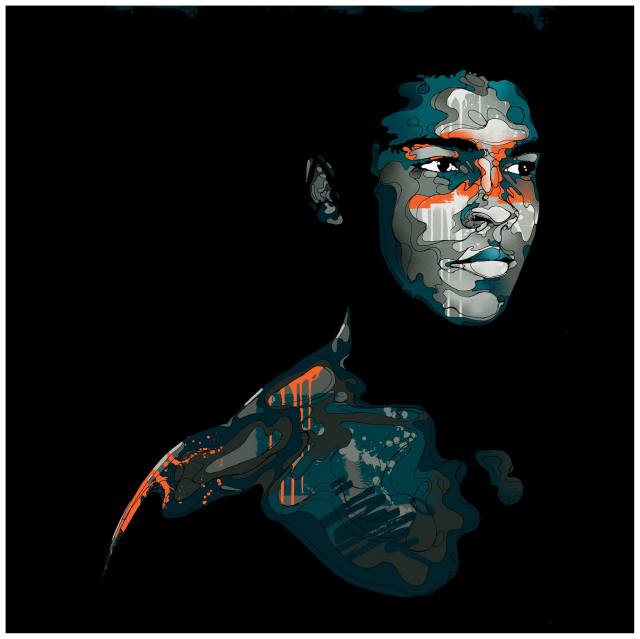
It began with a 1960 teenage Olympic light heavyweight boxing champion declaring “I am the Greatest!” and that he “Floats like a butterfly, stings like a bee!” He dropped his slave name, embraced Islam, refused to fight in Vietnam. Muhammed Ali was vilified for his beliefs and stripped of his World titles. He remained staunchly unrepentent. He fought back and returned to the ring for the Rumble In The Jungle & the Thrilla in Manila and upon his passing we have to say that he turned out to be one of the most important, inspiring and globally loved figures if the 20th century.
VIVIEN GOLDMAN: A TRANS-ATLANTIC “RESOLUTIONARY” FROM LADBROKE GROVE TO BROADWAY. PORTRAIT taken in 1979 by David Corio
There was a little wave of anticipation and excitement in NYC last week over the official launch of two long-cherished projects from my good friend Vivien Goldman. First up is ‘Cherchez La Femme – The Musical’ which she co-wrote with the ever sartorially elegant August Darnell aka Kid Creole. The production which is on at La MaMa Experimental Theatre Club is set in both NYC and somewhere in the Caribbean in the 80s. It features the music from Dr. Buzzard’s Original Savannah Band and Kid Creole & The Coconuts plus a few new compositions. August Darnell originally hails from the Bronx and his musical offerings are rooted in those classic musicals of the Fifties and Sixties like Guys & Dolls, South Pacific and West Side Story. Darnell is an one-off and I still have vivid memories of the hi-energy – beyond all expectations – show that I witnessed at the Lyceum to promote that first Kid Creole album. The combination of August Darnell, Vivien Goldman and musical director,Angie Kristicis, sounds like a winning combination to me.
The second project of Vivien Goldman’s is a compilation of her songs on an CD entitled ‘Resolutionary’ that Staubgold Records have released. It’s nice to have all these songs on one CD and in the context of today’s increasingly eclectic musical scene they still sound remarkably fresh and relevant. I’m still the proud owner of the ‘Private Armies’/’Launderette’ 12″ single, which had a photo story cover featuring Viv and Archie Pool (check the classic movie Babylon) taken by my co-p at that time, Jean Bernard Sohiez and , for me, what Viv’s music represents is the uninhibited creative reality of that time. People were militant. Barriers had been broken down. Don Lett’s had introduced an alternative soundtrack via the Roxy, John Lydon identified with Dr Alimantado’s ‘Born For a Purpose’, Rock against Racism was on the rise and a host of UK reggae artists like Aswad, Cimarons, Linton Kwesi Johnson, Black Slate, Matumbi, Steel Pulse and Misty In Roots took to the road. In ’76 Carnival kicked off massively. Vivien was (is) a Ladbroke Grove-ite, a regular at Weasel’s shebeen, a journo who was immersed in the punk and reggae scene and all things beyond. She conversed with, and was friends with, late great modern master musicians like Bob Marley, Don Cherry, Ornette Coleman and Fela Kuti and as a woman she had unique and very strong bonds with other strong women on the scene like The Slits, Chrissie Hynde, Rip Rig & Panic’s Andi Oliver and Neneh Cherry.
A scan of those involved in the making of the songs on ‘Resolutionary’ reveals the cross pollination taking place on the music scene at that time. It was John Lydon who helped set the ball rolling by bank rolling ‘Private Armies’ and ‘Lauderette’. The latter is pure bass-line, percussion with shades of Velvet Underground. Viv rides the ridim and tells her tale. Basically, it’s wayward avante-garde pop – edgy but sweet! ‘Private Armies’ still sounds good me with those early drum machine licks and George Oban’s bass line underpinning classic lyrics like… “Sat in the Mini while skinheads beat the shit out of a person on the pavement”… “blood everywhere”. Adrian Sherwood’s dubbed out production is one of his finest moments.
The Flying Lizards tracks on the CD offer a fresh, playful, free-style energy and add another musical dimension to that period of time in London. Joining The Raincoats’ violinist, Vicky Aspinall, are the pure improvising duo of David Toop and Steve Beresford – both well known for their toy instruments. Be not deceived by these two musicians – they were also the force behind the excellent and eclectic Collusions magazine which ran the very first UK reports on electro and hip hop. A visit their place in Stoke Newington revealed an incredible collection of global music – stacked floor to ceiling on cassettes (which are strangely back in fashion!) . The Flying Lizards were offbeat and on it and don’t be surprised to find Robert Wyatt in the mix. The haunting PIL produced ‘Windows’ is pure bass, percussion and harmonies.
Chantage – VIVA + EVE
Post Flying Lizards came Chantage which unites Vivien and her Afro-Parisian spar Eve Blouin. Over three songs we find them in 80’s Euro-mode bouncing off a meltdown of post colonial British and French influences. This was the dawn of the ‘World Music’ era and Paris – thanks to Martin Messonier and Radio Nova – was awash with Soukous, Zouk and Haitian Compas. Fusion was in the air. ‘Same Thing Twice’ is a twist on a Robert Nesta Marley classic with steel pan, acoustic guitar and rowdy, uplifting Yard style horns. ‘It’s Only Money’ has that bouncy Latin Kid Creole feel combined with melancholy klezmer violin and steel pan, and it’s all pushed along by plucked bass and their breathy vocals.
Following last year’s ‘Professor of Punk’ tour and her current foray into the world of musicals it would be fascinating to see what Vivien and her friends would come up with today. And that might just happen as Vivien is adamant that, “Music is strong in me. I intend to do more.”
BELOW: A 2006 track that’s not on the the album – ‘Seven Days’ from the COS “Girl Monster” Compilation.
THE JOURNEY ALONG THE WAY: THE IRON SKILLS & INTERNAL ELIXIR CULTIVATION ARE THE FOCUS OF TWO NEW PUBLICATIONS FROM MARK WILEY’S TAMBULI IMPRINT.
HAVING PICKED UP A SOME HEAVY BRUISING during a lively and most enlightening Chin Na session (Chin Na is basically the Art Of Seizing & controlling an opponent), that took place during our regular Sunday morning Da Xuan training, I found myself in need of some Dit Da Jau liniment and reflecting on the need to toughen up my wirey, ageing arms. Obviously within the Da Xuan school there are methods to do this but later that afternoon I also found myself perusing Dale Dugas’ excellent Fundamental Iron Body Skills: Tempering Body & Limbs With Ancient Methods.
I like this book because it doesn’t beat about the bush – it’s old skool and reminds me of the days when I was an avid reader of Inside Kung Fu magazine. Anyone who is a fan the Shaw Brothers Hong Kong Movies will be familiar with the mysteries surrounding Iron Body skills. We’ve all seen martial arts people breaking stacks of bricks. But basically, anyone practicing martial arts will find it useful to be able to absorb the blows of a training partner or an actual attacker. In his book, Dale Dugas digs into the China’s ancient Iron skills tradition and based on his own experiences shows you how to develop these skills in a safe, step-by-step manner.
I can’t think of any other book that covers all aspects of iron skills training in one volume, including solo training, use of auxiliary training equipment, herbal liniments and soaks, breaking techniques and fighting applications. Over eight chapters, he offers guidance on training Iron Palm from beginning to the intermediate level. Herbal medications for external use are discussed in detail and formulas/recipes for Iron Palm Training Liniment (Dit Da Jau) and soaks are included – so, you can brew your own!
Iron Palm master Gu Ruzhang
Though I have no intention of doing this, there is a section on testing your development by breaking objects like wood, paving blocks, and coconuts. There’s also a useful insight into the short-power art of Jook Lum Southern Mantis. I like the fact that Dugas maintains that three quarters of the training is internal even though the objective seems external.
Fundamental Iron Body Skills is most definitely a useful book to include in anyone’s martial arts library.
The Book
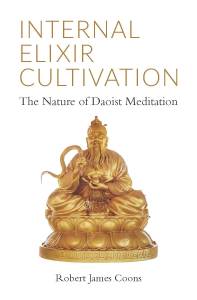
Robert James Coons’ Internal Elixir Cultivation – The Nature Of Daoist Meditation‘ is also published by Tambuli and it’s a welcome addition to the growing body of books on Daoist Meditation that Singing Dragon have recently published.
Thousands of years ago Chinese sages learned how to hack into the human nervous system for a lifetime of greater health, happiness and wisdom and Robert James Coons – a student of Montreal based martial artist and Daoist master Yang Hai – delivers a modest, straight forward, experience based 150 page book that could provide the launch pad for your own journey. In these stressful times wellness practices are simply a very good idea and meditation begins and ends with simply paying attention to your breathing. Coons offers clear instructions on how to proceed with your practice and its mercifully free of any new age jargon. His teachings are based on classical Daoist documents as passed down through the White Cloud Temple in Beijing via Cao Zhenyang to Yang Hai and they open the way to techniques whereby you can develop and circulate human energy (Qi) while, in the long term, setting your sights on achieving Daoism’s legendary “Internal Elixir.”
Dr Yu Yongnian – Yi Quan master.
I’ve also just noticed that the late Dr Yu Yongnian’s ‘Zhan Zhuang – The Art Of Nourishing Life’ had just been freshly translated and published in book form by Discovery Publisher. I believe this book, by the much celebrated Yi Quan master, was previously available only in PDF form and due a poor translation quite difficult to understand. So, if you’re interested in spending a portion of your day exploring standing postures this slim – 165 page – volume can be added to your want list!
Plum Publications
Excellent resource for run by Ted & Debbie in California, both long time martial arts practitioners…. lots of books, dvds etc with informed reviews based on experience.
SUPA DUPA rare 'n' old skool Nigerian Ju Ju, Fuji & hi life…
Just haul up the the groovemonzter, log on & stream the majestic sounds of Sir Shina Adewale, Dr Orlando Owoh, King Sunny Ade, Cardinal Rex Lawson, Queen Oludunni Decency, Tunde Nightingale, Alhaji Sikuru Ayinde Barrister…. wonderful!
the blue moment
Richard William’s exellent reflections on the world of music and….
Plum Publications
Excellent resource for run by Ted & Debbie in California, both long time martial arts practitioners…. lots of books, dvds etc with informed reviews based on experience.



 Footnote: I’m sat in my yard live steaming the new Tribe Called Quest LP: ‘We Got It From Here… Thank You 4 Your Service’ and I’m feelin’ it. It’s right on the button. A blast of deep’n’fresh NYC creativity rising phoenix like above the rotten stench of that US presidential election. But anyway, more on that in the future when I’ve had time to soak up the lyricsm of post Phife Dawg Tribe.
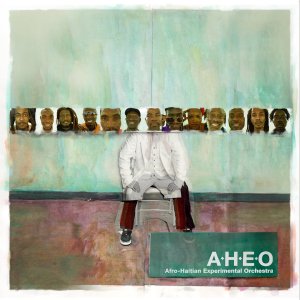 The Afro-Haitian Experimental Orchestra‘s album is a meeting of minds and deep rhythmic connections. Seven-and-a-half thousand kilometres of cold ocean separate West Africa from Haiti. But music can cover that distance in a heartbeat, crossing the Atlantic to reunite the rhythms and religion of people torn from their homes to be sold into slavery.
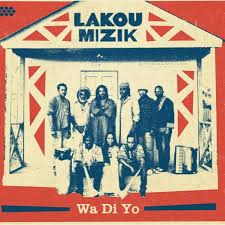 Once you’ve checked out the unfettered sounds of the Afro-Haitian Experimental Orchestra may want to get a taste of more traditional but modern Haitian sounds and for that you need to look no further than Lakou Mizik’s ‘Wa Di Yo’ on Cumbancha. Lakou Mizik is a multigenerational collective of Haitian musicians formed in the aftermath of the devastating 2010 earthquake. The group includes elder legends and rising young talents, united in a mission to honour the healing spirit of their collective culture and communicate a message of pride, strength and hope to their countrymen and to the world. This ensemble have produced a warm rootical 12 song set propelled along by uplifting vocals that take you deep into the heart of the community. Expect to be transported to yard on a balmy star lit Caribbean night and be lifted gently by layers of percussion, a racy snare, fluid bass lines, a sensual accordion and guitar and volleys of life affirming blasts from those Haitian Rara cornets.
 Just as President Obama has relaxed relations between Cuba and the US we seem to be experiencing a steady flow of musical collaborations. Since arriving on the NYC scene in 1998 the 25 year old percussionist/corista Pedrito Martinez has established a powerful rep. On this ‘homecoming’ album – ‘Habana Dreams’ – he pulls together 3 sets of collaborators. There’s the Pedrito Martinez Group, then there’s the honoured guests – Wynton Marsalis, Ruben Blades, Isaac Delgado, Angelique Kidjo, and finally, Pedrito’s Cuban family. As Ned Sublette puts it in his excellent sleeve notes this album is Pedrito’s return to “the dense urban world – of santeros, paleros, ecobios, rumberos, professional musicians, and strivers of all kinds, to say nothing of ancestral spirits – that is the Cayo Hueso neighbourhood, part of the teeming, treeless sprawl of Centro Habana.” This CD is musically diverse but well grounded. It’s a test of Martinez’s songwriting skills and amazingly his quartet have mastered how to play timba – a tough, modern, cutting edge dance style normally restricted to big bands. Well worth a listen.
 Finally, on a more “straight ahead” jazz tip we touch down on the masterclass offered up by saxophonist David Murray, pianist Geri Allen and drummer Terri Lynne Carrington. ‘Perfection’ is a moving homage to their friends and mentors like Ornette Coleman (‘Perfection’), Wayne Shorter (‘Samsara’), Marcus Belgrave (‘The Nurturer’), Charlie Haden (Barbara Allen)and Mary Lou Williams (For Fr. Peter O’Brian). As to be expected this a trio at the top of their game – inspired, uplifting and powerful.
 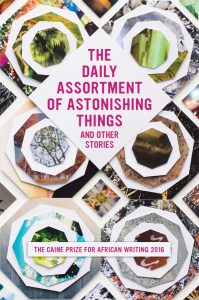 What a splendid way to spend your birthday – taking in a few readings and a discussion with five nominees from this year’s Caine Prize for African Writing. As I passed through the subterranean corridors of London University’s School of African, Asian and Middle Eastern Studies in search Khalili lecture theatre the sound of drums transported me back the Adriano Adewale’s pandeiro class at a previous SOAS summer school. It felt good. Outside the theatre I was able to purchase a copy of the book we had come to discuss – The Daily Assortment Of Astonishing Things – and sip on a couple of glasses of red wine while awaiting the arrival of the writers and panel host Dr Gus Casely-Hayford. This was the first of a series of London based events aimed at connecting the writers with potential readers and there was a warm sense of anticipation in the room. Hearing people talk about the context and the process of how they work and experiences of writing is always illuminating.
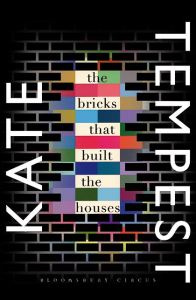 When I came across a review copy of Kate Tempest’s debut novel in my local second hand bookshop I was both happy and nervous. I’ve long sung the praises of this South London poet having been mesmerised by the riveting delivery of her one woman play ‘Brand New Ancients’. Her self published book of poetry/CD – Everything Speaks In It’s Own Way – is little gem and the ‘Mouse In The Lion’s Hair’ is a poem that I love to bits. I am less of a fan of the Mercury nominated LP, ‘Everybody Down’, which she dropped via Ninja Tunes, but that’s just my finely tuned – sometimes wrong – musical sensibilities kicking in. ‘Everybody Down’ definitely has it’s moments and, in reality, I should be giving thanks that the LP and the live gigs have carried her words to audiences who would never have handed over a few quid to check a poetry reading.



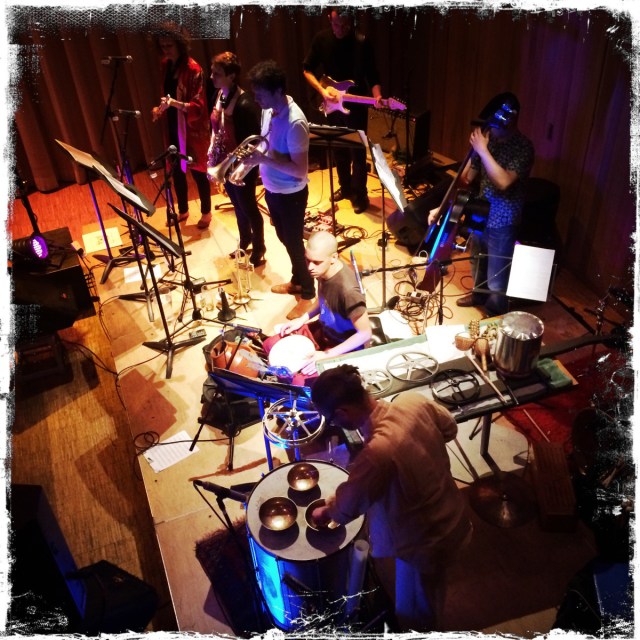

 ‘Space Echo – The Mystery Behind the Cosmic Sound of Cabo Verde Finally Revealed!’ is the latest offering from the most excellent Analog Africa imprint and it’s compiled by the Celeste / Matisposa Crew – a Lisbon Based Sound System, Mexico-based producer Deni Shain, and label founder Samy Ben Redjeb. When the first track kicked in on the hi-fi I wasn’t sure if the CD was fucked up and jumping… I stopped it, re-pressed play and turned up the volume. Wow… different stylee… and then the voice of Antonio Sanches, it has echoes raw Paranda, kicks in over a galloping riddim. All I knew of Cabo Verdean music was the smokey, melancholy vocals of the Barefoot Queen Of Morna – Cesaria Evora and what will filling my kitchen was from another dimension.
  Finally, a team of welders arrived to open the containers and the whole village waited impatiently. It is said that charismatic anti-colonial leader Amílcar Cabral ordered for the instruments to be distributed equally in places that had access to electricity, which placed them mainly in schools. This distribution was best thing that could have happened – keyboards found fertile grounds in the hands of curious children, born with an innate sense of rhythm who picked up the ready-to-use instruments. They modernised local rhythms such as Mornas, Coladeras and the highly danceable Funaná, which had been banned by the Portuguese colonial rulers until 1975 due to its sensuality! One of those kids was Paulino Vieira, who by the end of the 70s would become the country’s most important music arranger.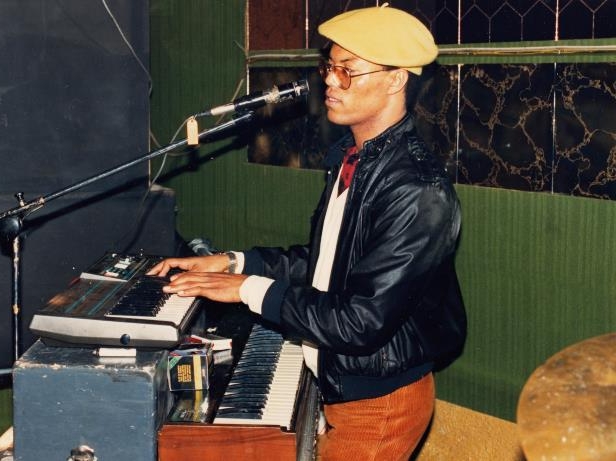
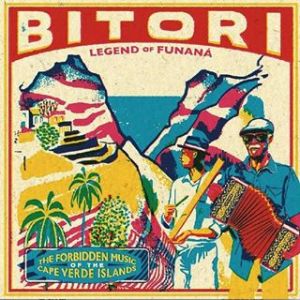 Coinciding with the Cosmic Sound Of Cabo Verde we have another Cabo Verdean classic. It also arrives courtesy of Analog Africa and ‘BITORI – Legend Of Funaná ‘ explores the sensual, forbidden music of these remote islands. Recorded in the Netherlands in 1997, this album features accordion master Victor Tavares aka ‘Bitori’ alongside singer Chando Graciosa and the flawless rhythm section of drummer Grace Evora and bass-man Danilo Tavares. This is roots music – the music of Cabo Verde’s so called “uneducated peasants” which became synonymous with the armed struggle for independence from their Portuguese colonial masters. While the Cosmic Sound album gave us a revised take on traditional Funaná this album gives us a taste of raw, passionate, undiluted Funaná where the music underpins lyrics rooted in the harsh daily lives of the working people of the the seemingly idyllic Cape Verde archipelago. During the 60s and early 70s singing these lyrics and playing the music of Funaná could get you arrested and tortured. It was 22 years after the islands gained independence from Portugal that Bitori’s album was first heard in the urban dancehalls of the Cape Verdean islands. Many of the songs became local classics and thanks to Analog Africa they finally get to travel to other people around the globe.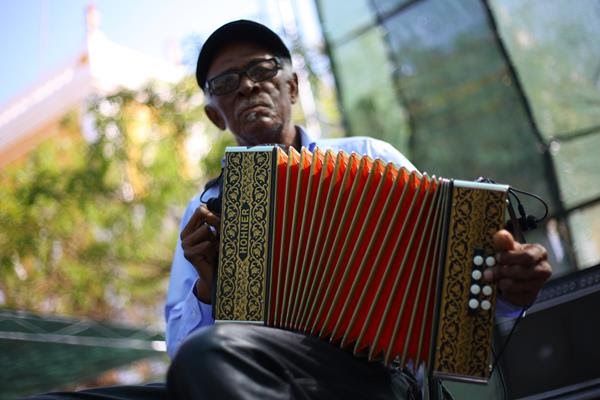




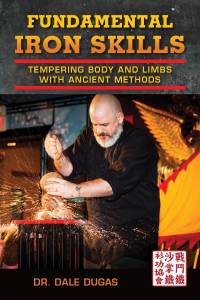 HAVING PICKED UP A SOME HEAVY BRUISING during a lively and most enlightening Chin Na session (Chin Na is basically the Art Of Seizing & controlling an opponent), that took place during our regular Sunday morning Da Xuan training, I found myself in need of some Dit Da Jau liniment and reflecting on the need to toughen up my wirey, ageing arms. Obviously within the Da Xuan school there are methods to do this but later that afternoon I also found myself perusing Dale Dugas’ excellent Fundamental Iron Body Skills: Tempering Body & Limbs With Ancient Methods.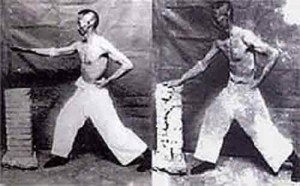


 ancienttofuture.com